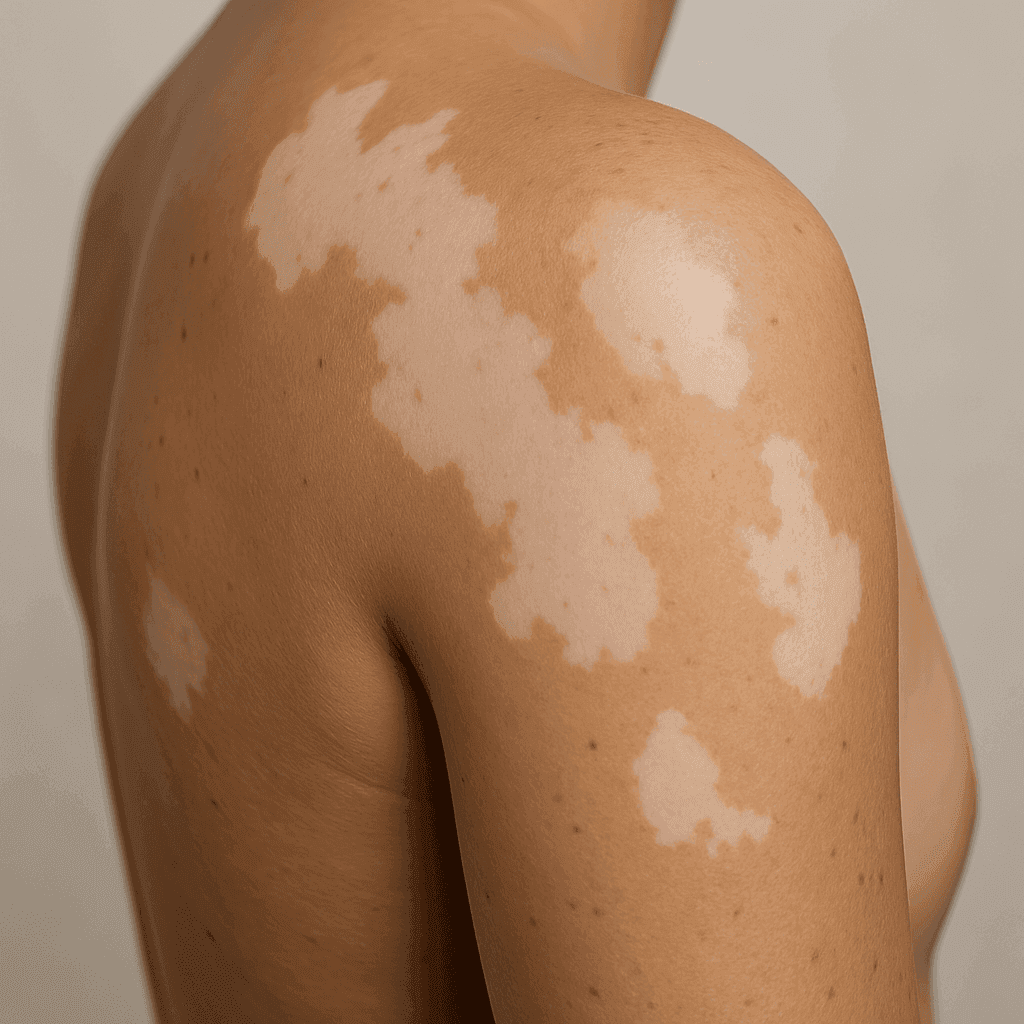
Vitiligo: Causes, Development and Is It Curable?
Explore vitiligo causes, treatments, and emotional impact.
Introduction
Vitiligo is a chronic skin condition characterized by the loss of pigmentation, resulting in white patches on various parts of the body. Understanding vitiligo is crucial, as it not only affects the skin but can also have significant psychological and social impacts. This article explores the causes, development, and current treatment options for vitiligo, aiming to provide a comprehensive overview of this complex condition.
What Causes Vitiligo?
Vitiligo is believed to be influenced by a combination of genetic, autoimmune, and environmental factors. Genetic factors play a significant role, as vitiligo tends to run in families. However, it is not directly inherited in a predictable pattern. Autoimmune connections are evident, as the condition often occurs alongside other autoimmune disorders, suggesting that the immune system mistakenly attacks the melanocytes, the cells responsible for skin pigmentation.
Environmental Triggers
Environmental factors such as sunburn, exposure to certain chemicals, and even stress are thought to trigger the onset of vitiligo in individuals predisposed to the condition. While these triggers do not cause vitiligo directly, they may exacerbate the immune response leading to the loss of pigmentation.
How Does Vitiligo Develop?
The development of vitiligo involves a disruption in the normal process of skin pigmentation. Skin pigmentation is determined by melanin, a pigment produced by melanocytes. When these cells are destroyed or malfunction, patches of depigmented skin appear. Vitiligo can be classified into different types based on the pattern and extent of depigmentation.
Stages of Vitiligo Progression
Vitiligo typically progresses through several stages, starting with small, pale patches that gradually become more prominent. Over time, these patches may spread to other areas of the body. The rate of progression varies among individuals, with some experiencing rapid changes and others having stable patches for years.
Is Vitiligo Curable?
Currently, there is no definitive cure for vitiligo. The medical consensus is that while treatments can help restore some color to the affected areas, they do not guarantee complete or permanent repigmentation. Research on potential cures is ongoing, with scientists exploring various therapies aimed at halting the immune response or stimulating melanin production.
Treatment Options for Vitiligo
There are several treatment options available for managing vitiligo. Prescription medications, such as topical corticosteroids, can help reduce inflammation and promote repigmentation. Light therapy, specifically narrowband ultraviolet B (NB-UVB) therapy, is another effective option that stimulates melanocyte activity. Surgical options, like skin grafting, may be considered for stable vitiligo.
Natural and Alternative Remedies
Some individuals explore natural remedies like herbal treatments and dietary supplements, though these should be approached with caution and discussed with a healthcare provider. While they may offer some benefits, their efficacy is not scientifically validated.
Psychological and Social Impact of Vitiligo
Living with vitiligo can present significant emotional challenges. Individuals may experience anxiety, depression, and social stigma due to their appearance. Coping mechanisms include psychological counseling, joining support groups, and engaging in mindfulness practices. Support from family and friends is also crucial in managing the emotional impact of the condition.
Managing Vitiligo: Lifestyle and Diet
A balanced diet rich in antioxidants and vitamins can support skin health and potentially mitigate some effects of vitiligo. Sun protection strategies are essential, as depigmented areas are more susceptible to sunburn. Wearing sunscreen, protective clothing, and seeking shade can help prevent further skin damage.
Stress Management Techniques
Stress can exacerbate vitiligo symptoms. Incorporating stress-reducing practices such as yoga, meditation, and regular physical activity can be beneficial. Developing a daily routine that includes these activities may improve overall well-being.
Advances in Vitiligo Research
Recent studies have focused on the genetic and immunological aspects of vitiligo, offering insights into potential therapeutic targets. Future directions in treatment may include gene therapy and advanced immunomodulatory drugs. Ongoing clinical trials aim to explore these innovative approaches.
Living with Vitiligo: Personal Stories
Hearing from those who live with vitiligo can provide valuable perspectives. Many individuals find strength in sharing their experiences, which can inspire others and foster a sense of community. Personal testimonials highlight the resilience and adaptability of those affected by vitiligo.
FAQ
What are the early signs of vitiligo?
Early signs include small patches of lighter skin that gradually expand.
Can vitiligo spread over time?
Yes, vitiligo can spread, but the rate varies among individuals.
Is vitiligo more common in certain ethnic groups?
Vitiligo affects all ethnicities, but it may be more noticeable on darker skin.
How is vitiligo diagnosed?
A dermatologist diagnoses vitiligo through physical examination and possibly a skin biopsy.
Are there any effective home remedies for vitiligo?
While some try natural remedies, their effectiveness is not scientifically proven.
Does vitiligo affect overall health?
Vitiligo primarily affects skin appearance and does not impact overall physical health, but it may affect mental health.