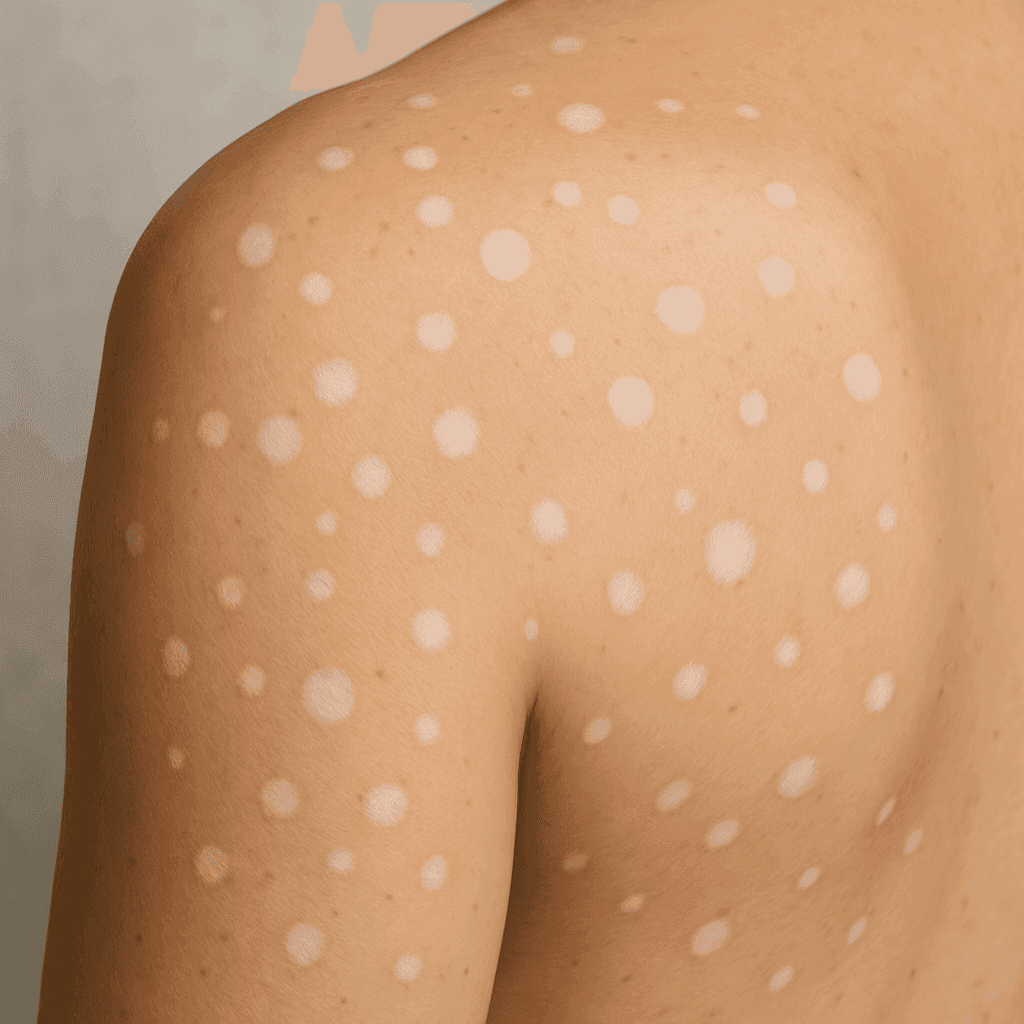
White Spots on the Skin – What Do They Mean?
Understanding causes and treatments of white skin spots.
Introduction
White spots on the skin can be a source of concern for many individuals. While they are often harmless, understanding their causes and potential treatments is important. This article explores the various reasons for white spots on the skin, ranging from common conditions to less frequent causes, and provides guidance on when to seek professional advice.
Common Causes of White Spots on the Skin
White spots on the skin can result from a variety of conditions, some of which are more common than others. Identifying the cause is essential for effective management and treatment.
Vitiligo
Vitiligo is a condition that causes the skin to lose its natural pigment, leading to white patches. It occurs when the immune system mistakenly attacks the pigment-producing cells. Vitiligo can affect any part of the body and is often more noticeable in individuals with darker skin tones. Treatment options include topical corticosteroids, light therapy, and, in some cases, skin grafts. While there's no cure, these treatments can help manage the condition and improve skin appearance.
Tinea Versicolor
Tinea versicolor is a common fungal infection that disrupts skin pigmentation, resulting in small, discolored patches. These patches can be lighter or darker than the surrounding skin and are often found on the back, chest, and upper arms. Diagnosis typically involves a simple skin examination and sometimes a skin scraping. Antifungal medications, both topical and oral, are effective in treating tinea versicolor. Preventive measures include keeping the skin dry and avoiding excessive heat and humidity.
Pityriasis Alba
Pityriasis alba is a common skin condition in children, characterized by round or oval white patches, primarily on the face. The patches are usually dry and may be slightly scaly. The exact cause is unknown, but it is believed to be linked to eczema. This condition often resolves on its own, but moisturizing creams and gentle skin care can help alleviate symptoms.
Nutritional Deficiencies
A deficiency in essential vitamins and minerals, such as vitamin D, calcium, and zinc, can lead to white spots on the skin. These deficiencies may affect skin pigmentation and overall health. A balanced diet rich in fruits, vegetables, and fortified foods can help prevent such deficiencies. In some cases, supplementation may be necessary, but it should be done under medical supervision.
Less Common Causes
While many white spots are due to common conditions, some are linked to less frequent causes that require special attention.
Autoimmune Conditions
Autoimmune skin disorders, such as lupus and scleroderma, can cause white spots or patches. These conditions occur when the immune system attacks the body's own tissues, leading to inflammation and skin changes. Diagnosis typically involves blood tests, skin biopsies, and other specialized tests. Treatment focuses on managing symptoms and preventing flare-ups with medications and lifestyle adjustments.
Genetic Factors
Genetic predispositions can also contribute to the development of white spots on the skin. Conditions like tuberous sclerosis and piebaldism are inherited disorders that affect skin pigmentation. Family history plays a significant role in these cases, and genetic counseling may be recommended for affected individuals and their families.
Diagnosis of White Spots
Accurate diagnosis of white spots on the skin is crucial for effective treatment. Dermatologists may perform various diagnostic procedures, such as skin examinations, biopsies, and blood tests, to determine the underlying cause. In some cases, specialized imaging techniques may be used to assess the extent of pigmentation loss. Professional diagnosis ensures appropriate treatment and management of the condition.
Treatment and Management
Managing white spots on the skin involves a combination of medical treatments and lifestyle changes.
Medical Treatments
Topical treatments, such as corticosteroids and calcineurin inhibitors, are commonly used to manage white spots. In some cases, oral medications may be prescribed to address underlying conditions. Light therapy, including narrowband UVB therapy, can help stimulate pigment production in the skin. Treatment plans should be tailored to the individual and overseen by a healthcare professional.
Home Remedies and Lifestyle Changes
Natural remedies, such as aloe vera and coconut oil, may help soothe the skin and improve its appearance. A consistent skincare routine that includes moisturizing and sun protection is essential. Stress management techniques, such as yoga and meditation, can also be beneficial, as stress may exacerbate skin conditions.
Prevention of White Spots on the Skin
Preventing white spots involves protecting the skin from potential triggers and maintaining a healthy lifestyle. Sun protection strategies, such as using broad-spectrum sunscreens and wearing protective clothing, can prevent sun-induced pigmentation changes. A diet rich in vitamins and minerals supports skin health and can prevent deficiencies that lead to white spots.
Frequently Asked Questions (FAQs)
-
What are the common causes of white spots on the skin?
- Common causes include vitiligo, tinea versicolor, pityriasis alba, and nutritional deficiencies.
-
Can white spots on the skin be a sign of a serious condition?
- While often harmless, white spots can sometimes indicate underlying conditions that require medical attention.
-
How can I prevent white spots from appearing on my skin?
- Sun protection, a balanced diet, and maintaining overall skin health can help prevent white spots.
-
Are there any home remedies for treating white spots on the skin?
- Yes, natural remedies like aloe vera and coconut oil may help, alongside a good skincare routine.
-
When should I see a dermatologist for white spots on my skin?
- If you notice persistent or worsening white spots, it is advisable to consult a dermatologist for a thorough evaluation.
-
Can stress cause white spots on the skin?
- Stress can exacerbate skin conditions, potentially leading to or worsening white spots.