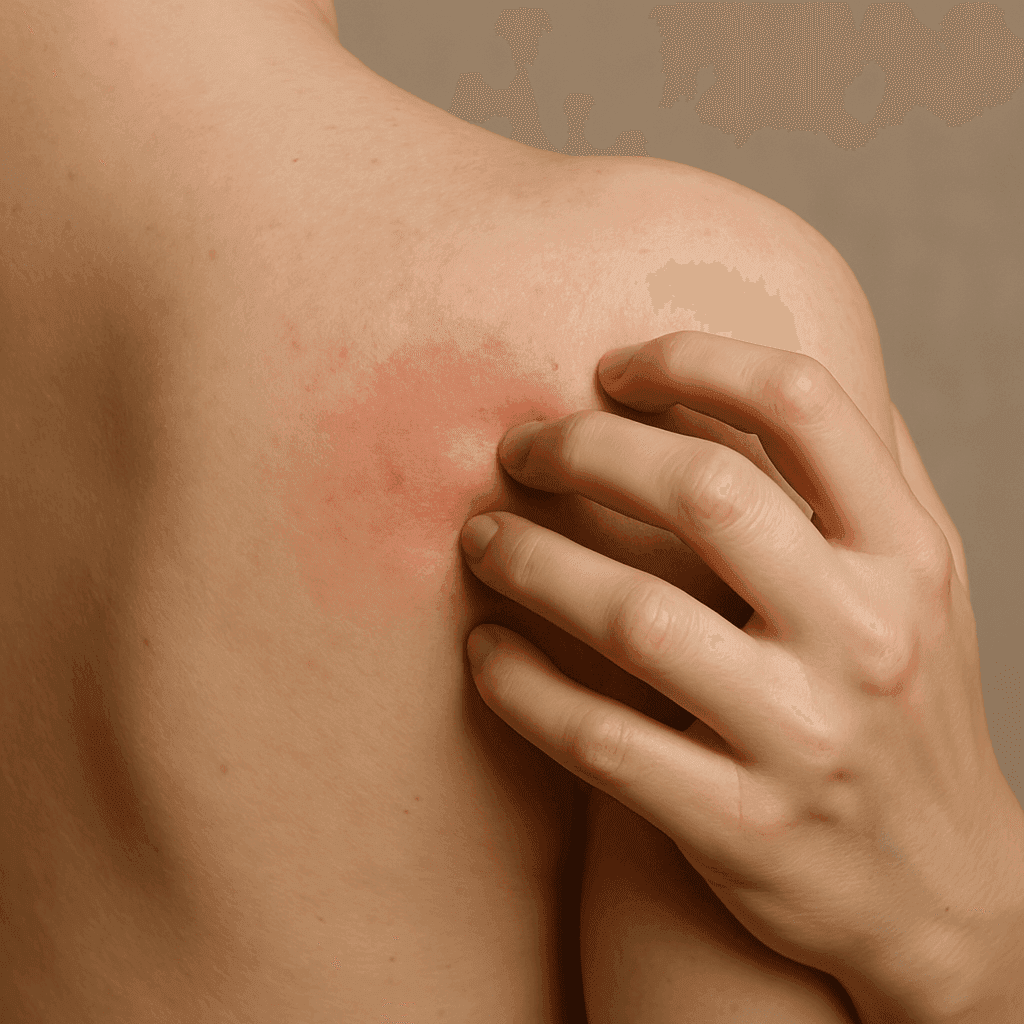
Why Does Skin Itch?
Explore causes and relief for itchy skin.
Introduction
Itchy skin, medically known as pruritus, is a common discomfort that can affect individuals at any age. This sensation can be localized to one area or generalized across the body, and it may occur with or without visible skin changes. Understanding the underlying causes of itchy skin is crucial for effective management and relief. In this article, we will explore various reasons behind skin itching, discuss diagnostic approaches, and provide insight into available treatments and prevention strategies.
What is Itchy Skin?
Pruritus, the clinical term for itchy skin, is characterized by an irritating sensation that prompts the desire to scratch. It is often accompanied by symptoms such as redness, bumps, or a rash, but itchy skin can also occur without any visible signs. Itchy skin can be a temporary annoyance or a chronic issue that affects quality of life. Identifying the type and pattern of itching is essential in determining the appropriate course of action for relief.
Common Causes of Itchy Skin
Dry Skin (Xerosis)
Dry skin is one of the most prevalent causes of itching, particularly in older adults. It occurs when the skin loses moisture, leading to a rough, flaky surface that can feel tight and itchy. Environmental factors such as low humidity, harsh soaps, and hot showers can exacerbate dryness, especially during winter months.
Allergic Reactions
Allergic reactions to substances such as pollen, pet dander, or certain foods can trigger itching. Contact dermatitis, a type of allergic reaction, occurs when the skin comes into contact with an allergen, resulting in redness, itching, and sometimes blisters.
Skin Conditions (Eczema, Psoriasis)
Chronic skin conditions like eczema and psoriasis are known for causing persistent itching. Eczema is characterized by inflamed patches of skin, while psoriasis involves the rapid growth of skin cells, leading to scaly, itchy plaques.
Internal Diseases (Liver, Kidney, Diabetes)
Systemic conditions such as liver disease, kidney disease, and diabetes can also lead to generalized itching. These conditions disrupt normal bodily functions, potentially leading to the accumulation of certain substances in the bloodstream that can incite itching.
Pregnancy-related Itching
Pregnancy can bring about hormonal changes that lead to itchy skin. Conditions such as cholestasis of pregnancy, where bile flow is affected, can cause intense itching, particularly on the hands and feet.
Stress and Psychological Factors
Stress and anxiety can exacerbate or even trigger itching in some individuals. Psychological factors can alter the perception of itchiness, making it more intense or persistent.
Diagnosis of Itchy Skin
Diagnosing the cause of itchy skin involves a thorough approach by a dermatologist. A detailed medical history and physical examination are essential first steps. Dermatologists may inquire about the onset, duration, and pattern of the itching, as well as any associated symptoms. If necessary, additional tests such as blood tests, skin biopsies, or allergy testing may be conducted to identify underlying conditions. Accurate diagnosis is crucial for selecting the most effective treatment plan.
Treatments for Itchy Skin
Over-the-counter Solutions
For mild itching, over-the-counter creams and lotions containing ingredients like hydrocortisone or calamine can provide relief. These products aim to soothe irritated skin and reduce inflammation.
Prescription Medications
In cases where over-the-counter options are insufficient, prescription medications may be necessary. These can include stronger topical steroids, antihistamines to control allergic reactions, or medications that address specific underlying conditions.
Home Remedies and Lifestyle Changes
Simple home remedies can also help alleviate itching. Moisturizing regularly, using mild soaps, and taking lukewarm baths can prevent skin from drying out. Additionally, maintaining a cool, humid environment and wearing loose clothing can reduce irritation. Lifestyle changes such as stress management and dietary adjustments may also contribute to relief.
When to See a Doctor
While occasional itching is common, persistent or severe itching warrants a consultation with a healthcare professional. Indications for seeking medical advice include itching accompanied by unexplained weight loss, fatigue, changes in bowel habits, or if itching interferes with daily activities and sleep. Early intervention can prevent complications and lead to more effective management of the condition.
Prevention Tips for Itchy Skin
Preventing itchy skin involves adopting a regular skincare routine and making environmental adjustments. Daily moisturizing with fragrance-free lotions can help maintain skin hydration. Avoiding hot showers and harsh soaps can prevent skin from drying out. Additionally, using a humidifier during dry seasons and staying well-hydrated by drinking plenty of water can keep skin feeling comfortable.
FAQs About Itchy Skin
Q1: Can stress cause skin to itch?
Yes, stress can exacerbate itching by influencing the body's inflammatory response and increasing skin sensitivity.
Q2: What home remedies can relieve itchy skin?
Moisturizing, using cool compresses, and bathing in oatmeal or baking soda can soothe itchy skin.
Q3: Is itchy skin a sign of a serious condition?
While often benign, persistent itchy skin can be a symptom of underlying health issues such as liver or kidney disease.
Q4: How can I prevent itchy skin in winter?
Use a humidifier, moisturize regularly, and avoid hot showers to keep your skin hydrated during winter.
Q5: Can dehydration cause skin itching?
Yes, inadequate hydration can lead to dry, itchy skin.
Q6: Why does my skin itch more at night?
Itching can be more noticeable at night due to reduced distractions and natural body temperature changes.