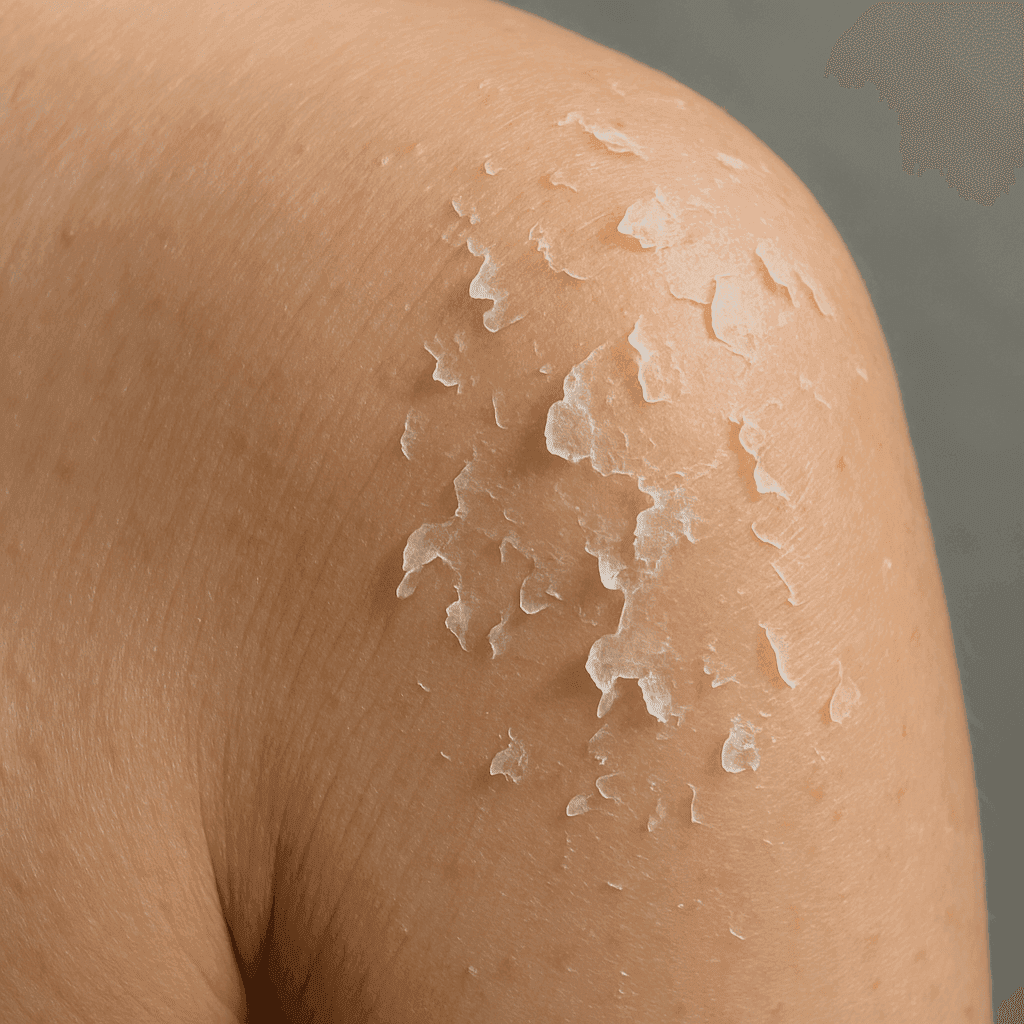
Why Does Skin Peel? Understanding Causes and Treatments
Exploring causes and solutions for skin peeling.
Introduction
Skin peeling is a common condition that affects many people at various times in their lives. Understanding why skin peels is crucial for identifying the underlying causes and seeking appropriate treatment. Peeling can be a natural process or a sign of an underlying health issue, and knowing the difference is essential for maintaining healthy skin.
What is Skin Peeling?
Skin peeling refers to the shedding of the outermost layer of the skin, known as the epidermis. While some degree of peeling is normal as part of the skin's renewal process, excessive or abnormal peeling can indicate a problem. Normal skin peeling is often subtle and not noticeable, whereas abnormal peeling may be accompanied by symptoms such as redness, itching, or irritation.
Common Causes of Skin Peeling
Sunburn
Sunburn is one of the most familiar causes of skin peeling. Ultraviolet (UV) radiation from the sun damages skin cells, leading to peeling as the body sheds the damaged layer. Preventive measures include using sunscreen, wearing protective clothing, and avoiding direct sunlight during peak hours.
Allergic Reactions
Allergic reactions to substances such as cosmetics, detergents, or certain foods can cause skin to peel. Symptoms may include redness, itching, and swelling. Managing allergies involves identifying and avoiding the triggers, and using antihistamines or other medications as directed by a healthcare professional.
Infections
Fungal and bacterial infections can lead to skin peeling, often accompanied by other symptoms like redness or scaling. Fungal infections, such as athlete's foot, require antifungal treatments, while bacterial infections may need antibiotics prescribed by a doctor.
Chronic Skin Conditions
Conditions like eczema and psoriasis are chronic and can cause persistent skin peeling. Eczema, characterized by dry, itchy skin, often requires moisturizing treatments and, in severe cases, prescription medications. Psoriasis involves rapid skin cell turnover, leading to scaling and peeling, and is typically managed with topical treatments or phototherapy.
Environmental Factors
Cold weather and low humidity levels can cause the skin to lose moisture and peel. Protecting skin from harsh environmental conditions through the use of moisturizers and humidifiers can help mitigate these effects.
Medical Conditions Related to Skin Peeling
Vitamin Deficiencies
Certain vitamin deficiencies, particularly in vitamins A, B, and C, can affect skin health, leading to conditions that cause peeling. Ensuring a balanced diet rich in these vitamins is key for maintaining healthy skin.
Dehydration
Dehydration can impact the skin's appearance and function, leading to peeling. It is important to maintain adequate hydration by drinking plenty of water and using moisturizers to help retain skin moisture.
Genetic Disorders
Genetic conditions like ichthyosis cause dry, scaly skin and can result in persistent peeling. These conditions often require specialized skincare routines and medical treatments.
Treatment and Management
Over-the-counter Solutions
Moisturizers and creams are often the first line of treatment for mild skin peeling. Products containing ingredients like aloe vera, hyaluronic acid, and ceramides can help replenish moisture and soothe irritated skin.
Prescription Treatments
In more severe cases, a dermatologist may prescribe treatments such as topical steroids or oral medications. It's important to consult a healthcare provider to determine the best course of action.
Home Remedies
Natural oils such as coconut or olive oil can provide relief for dry, peeling skin. Incorporating hydration through diet by consuming foods rich in omega-3 fatty acids and antioxidants can also support skin health.
Prevention Tips
Establishing a daily skincare routine that includes cleansing, moisturizing, and sun protection is essential for preventing skin peeling. Additionally, using protective measures such as hats and gloves in harsh weather conditions can help shield the skin from environmental damage.
Frequently Asked Questions
-
What should I do if my skin starts peeling after a sunburn?
- Apply aloe vera or a moisturizing lotion to soothe and hydrate the skin. Avoid further sun exposure until healing.
-
Can dehydration cause skin peeling?
- Yes, dehydration can lead to dry, peeling skin. Ensure adequate fluid intake and use moisturizers.
-
Is skin peeling a sign of an allergic reaction?
- It can be. If accompanied by itching and redness, consider potential allergens and consult a healthcare provider.
-
How can I prevent my skin from peeling in the winter?
- Use a humidifier, wear protective clothing, and apply thick moisturizers to lock in moisture.
-
When should I consult a doctor about skin peeling?
- If peeling is severe, persistent, or accompanied by other symptoms like pain or infection, seek medical advice.
-
Are there any home remedies effective for treating skin peeling?
- Natural oils and maintaining hydration can be beneficial, but consult a doctor for persistent issues.