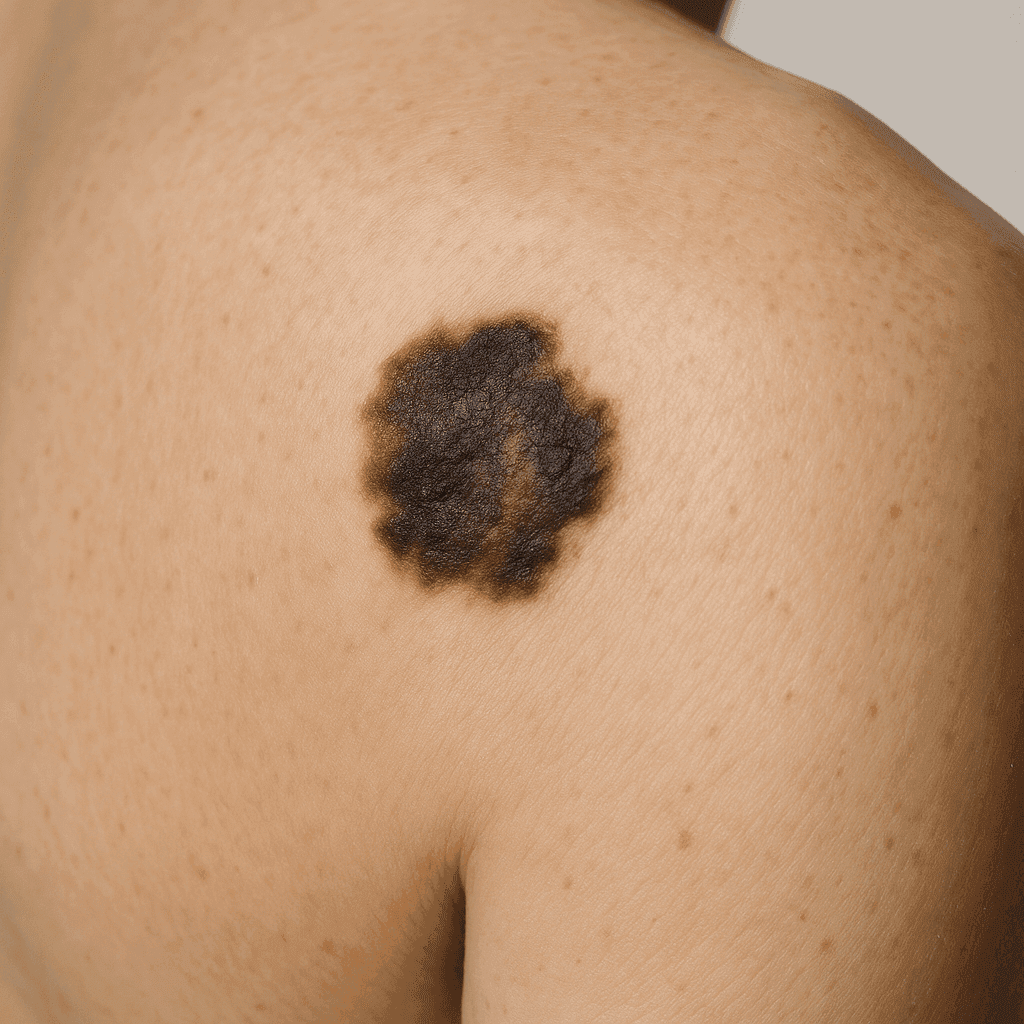
Acral Melanoma: How It Differs from Other Types of Melanoma
Understanding acral melanoma symptoms and treatments.
Introduction
Melanoma is a serious form of skin cancer that arises from the pigment-producing cells known as melanocytes. While cutaneous melanoma is more commonly associated with sun exposure, acral melanoma is a distinct subtype that occurs on non-sun-exposed areas such as the palms, soles of the feet, and under the nails. Understanding the unique characteristics and risk factors associated with acral melanoma is crucial for early detection and treatment.
Understanding Melanoma
Melanoma can develop anywhere on the skin, but it usually occurs in areas exposed to the sun. However, acral melanoma is an exception as it appears in areas not typically exposed to sunlight. This type of melanoma often goes unnoticed until it has progressed to an advanced stage, making awareness and early detection vital. The term 'acral' refers to the peripheral parts of the body, which include the hands and feet.
What is Acral Melanoma?
Acral melanoma is a rare form of melanoma that presents unique challenges in diagnosis and management. It occurs in areas where the skin is thicker, such as the soles of the feet, palms of the hands, and under the nails. This subtype is not related to UV exposure, which distinguishes it from other melanomas.
Definition and Characteristics
Acral melanoma can appear as a dark spot or streak on the skin, often mistaken for a bruise or other minor injury. Unlike other forms of melanoma, which may have a more obvious correlation with sun exposure, acral melanoma's pathogenesis is less understood and may involve genetic factors. The lesions are often irregular in shape and color, making them harder to identify without professional evaluation.
Common Locations: Hands, Feet, and Nails
Acral melanoma is most frequently found on the soles of the feet, palms of the hands, and under the nails. These locations can make it difficult to recognize, as changes may not be easily visible. Regular self-examinations and professional skin evaluations are essential in detecting acral melanoma early.
Differences Between Acral Melanoma and Other Types of Melanoma
While all melanomas originate from melanocytes, acral melanoma has distinct differences that set it apart from other types. These differences are evident in biological, visual, and demographic aspects.
Biological and Genetic Differences
Research suggests that acral melanoma may have different genetic mutations compared to other melanomas. This can influence how it responds to treatment, underscoring the importance of genetic testing and personalized medicine in its management.
Visual and Symptomatic Differences
Visibly, acral melanoma does not always present the typical asymmetrical, multicolored pattern seen in cutaneous melanoma. Instead, it may appear as a single dark spot or streak, often leading to misdiagnosis.
Demographic Variations
Acral melanoma occurs more frequently in individuals with darker skin tones, contrasting with cutaneous melanoma, which is more common in individuals with lighter skin. This demographic variation highlights the need for targeted awareness campaigns in diverse populations.
Risk Factors for Acral Melanoma
Understanding the risk factors associated with acral melanoma can help in early identification and prevention strategies.
Genetic Predispositions
While the exact genetic causes of acral melanoma are not completely understood, certain genetic predispositions may increase susceptibility. Individuals with a family history of melanoma or specific genetic mutations might be at a higher risk.
Environmental and Lifestyle Factors
Unlike other melanomas, acral melanoma is not linked to sun exposure. However, repeated trauma to the hands and feet, such as from tight footwear or chronic friction, may contribute to its development. Awareness of these risk factors and lifestyle modifications can aid in prevention.
Symptoms and Early Detection
Recognizing the early signs of acral melanoma is crucial for prompt treatment and better outcomes.
Identifying Signs of Acral Melanoma
Early symptoms may include a new spot or an existing lesion that changes in size, shape, or color. Acral melanoma can appear as a streak under the nail or a dark patch on the palm or sole. Any persistent, unexplained change should be evaluated by a healthcare professional.
Importance of Regular Skin Checks
Regular self-examinations and professional skin checks are vital for early detection. Using tools such as the "ABCDE" rule (Asymmetry, Border, Color, Diameter, Evolving) can assist in identifying suspicious lesions. For areas difficult to examine, such as the soles of the feet, seeking professional help is recommended.
Diagnosis of Acral Melanoma
Accurate diagnosis is essential for effective treatment planning. Various diagnostic tools and procedures are employed to confirm acral melanoma.
Diagnostic Procedures and Tests
Dermatologists use dermoscopy to examine suspicious lesions closely. Imaging tests such as a CT scan or MRI may be necessary if the melanoma is suspected to have spread.
Role of Biopsy in Diagnosis
A biopsy is the definitive method for diagnosing melanoma. In the case of acral melanoma, a punch biopsy or excisional biopsy may be performed to obtain a tissue sample for histological analysis. This helps in determining the stage and aggressiveness of the melanoma.
Treatment Options for Acral Melanoma
Treatment for acral melanoma varies based on the stage and specific characteristics of the cancer. Early-stage melanoma is often treated differently than advanced cases.
Surgical Interventions
Surgery is the primary treatment for localized acral melanoma. The goal is to remove the tumor along with a margin of healthy tissue to ensure complete excision. In some cases, amputation of a digit may be necessary.
Chemotherapy and Radiation
These therapies are typically reserved for advanced melanoma that has spread beyond the primary site. They can help manage symptoms and slow disease progression.
Emerging Treatments and Clinical Trials
New treatments, including targeted therapies and immunotherapies, are continually being developed. Clinical trials offer access to cutting-edge treatments and are an option for patients with advanced melanoma. Participation should be discussed with a healthcare provider to understand potential benefits and risks.
Prognosis and Survival Rates
The prognosis for acral melanoma can vary significantly based on several factors, including the stage at diagnosis and the patient's overall health.
Factors Influencing Prognosis
Early detection and treatment are critical for improving outcomes. Tumor thickness, ulceration, and lymph node involvement are key prognostic factors. Patients diagnosed at an early stage typically have a more favorable prognosis.
Statistical Survival Rates
Survival rates for acral melanoma tend to be lower than for other types of melanoma, primarily due to late diagnosis. However, advancements in treatment are improving outcomes, highlighting the importance of early detection and intervention.
Prevention Strategies
While not all cases of acral melanoma can be prevented, certain strategies can reduce risk and promote early detection.
Protective Measures for High-Risk Individuals
For those at higher risk, regular skin checks and avoiding trauma to hands and feet are advisable. Protective footwear and gloves may help minimize injury and friction.
Public Awareness and Education
Increasing awareness about the unique nature of acral melanoma, especially in at-risk populations, is crucial. Public health campaigns can educate individuals about the importance of monitoring changes in skin appearance and seeking medical advice promptly.
Acral Melanoma in Different Populations
Acral melanoma affects various populations differently, and understanding these differences is important for tailored prevention and treatment strategies.
Ethnic and Racial Considerations
Acral melanoma occurs more frequently in individuals with darker skin, who may not realize their risk due to common misconceptions about melanoma and skin tone. Education and targeted screening programs are essential in these communities.
Case Studies and Research Findings
Recent studies highlight the importance of genetic research and understanding environmental influences specific to different ethnic groups. Ongoing research aims to elucidate these factors further, providing insights for effective management and prevention.
Conclusion
Acral melanoma is a distinct and challenging type of melanoma that requires careful attention to detail in both prevention and treatment. Early detection remains the cornerstone of effective management, and ongoing research continues to shed light on its unique characteristics. By increasing awareness and understanding of acral melanoma, we can improve outcomes for affected individuals and advance the field of dermatology.
Future Directions in Research and Treatment
Future research will likely focus on the genetic underpinnings of acral melanoma and developing more targeted therapies. Collaboration between researchers, clinicians, and patients will be crucial in advancing our understanding and treatment of this complex disease.
FAQ
What are the early signs of acral melanoma?
Early signs include a new spot or streak under the nail, or a dark patch on the palm or sole that changes in size, shape, or color.
How is acral melanoma different from other skin cancers?
Acral melanoma occurs on non-sun-exposed areas like palms and soles and is not linked to UV exposure, unlike many other skin cancers.
Can acral melanoma be prevented?
While not all cases can be prevented, regular skin checks and minimizing trauma to hands and feet can reduce risk.
What are the treatment options for advanced acral melanoma?
Advanced cases may be treated with surgery, chemotherapy, radiation, and emerging treatments like immunotherapy.
How often should I check my skin for signs of acral melanoma?
Regular self-examinations and professional skin checks are recommended, especially for those at higher risk.
Are certain ethnic groups more prone to acral melanoma?
Yes, acral melanoma is more common in individuals with darker skin tones, necessitating targeted awareness and screening efforts.