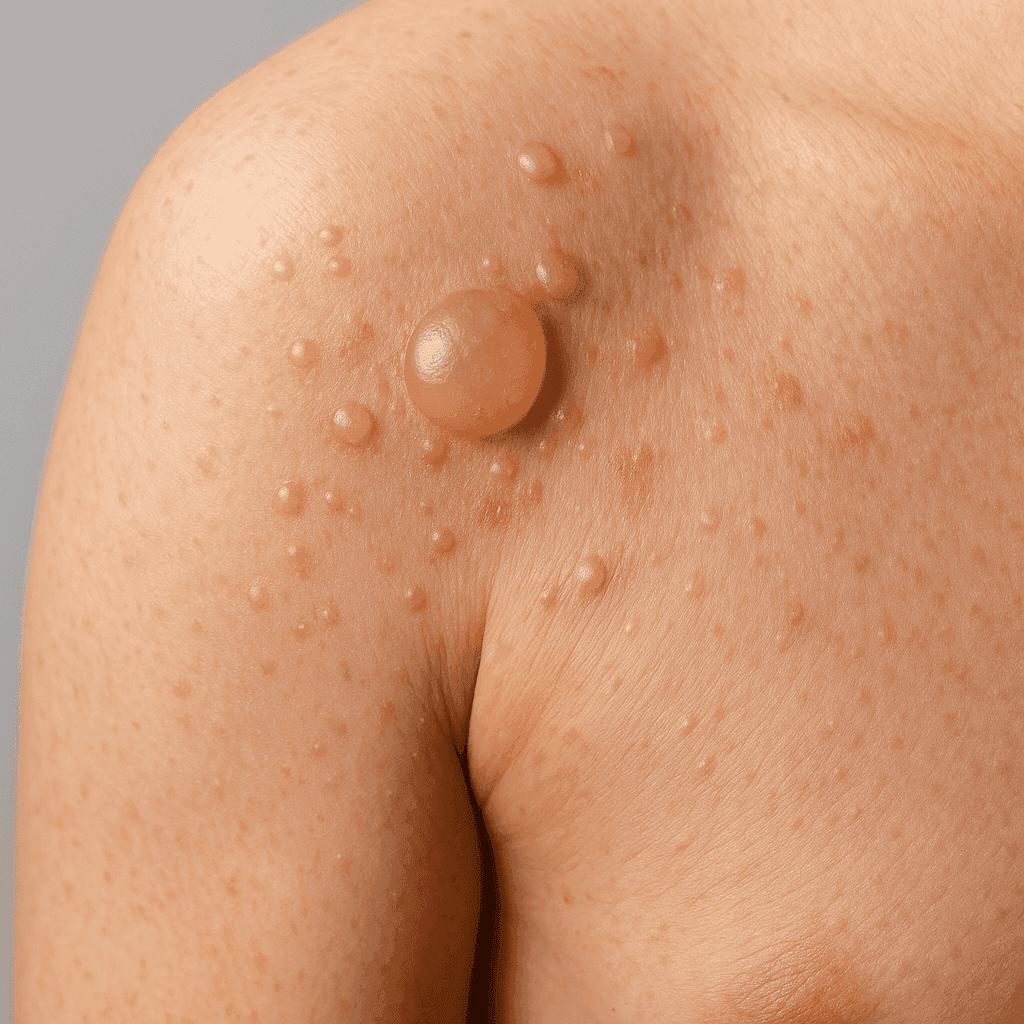
Bullous Dermatitis: Symptoms and Diagnosis
Explore bullous dermatitis symptoms, causes, and diagnosis.
Introduction
Bullous dermatitis is a group of skin disorders characterized by blister formation. These blisters can cause discomfort and may lead to complications if not diagnosed and treated appropriately. Early diagnosis and treatment are crucial to managing symptoms and improving quality of life.
What is Bullous Dermatitis?
Bullous dermatitis refers to a variety of skin conditions that result in blistering. These blisters, or bullae, are filled with fluid and can appear on different parts of the body. There are several types, including bullous pemphigoid, dermatitis herpetiformis, and linear IgA disease, each with unique characteristics and treatment protocols.
Symptoms of Bullous Dermatitis
Common symptoms include itching, redness, and the formation of blisters that may burst and crust over. The severity of symptoms can vary significantly among individuals, with some experiencing mild irritation and others facing severe blistering and discomfort. Symptoms may also fluctuate over time, with flare-ups occurring periodically.
Causes and Risk Factors
Bullous dermatitis often results from autoimmune reactions, where the body's immune system mistakenly attacks healthy skin tissues. Environmental factors, such as exposure to certain drugs or chemicals, can also trigger these conditions. Genetic predisposition plays a role, with some individuals being more susceptible due to inherited traits.
Diagnosing Bullous Dermatitis
Initial Clinical Evaluation
Diagnosis begins with a thorough clinical evaluation by a dermatologist who examines the skin and reviews the patient's medical history. To confirm the diagnosis, dermatological tests such as a skin biopsy and blood tests are often necessary. These tests help differentiate bullous dermatitis from other skin conditions.
Treatment Options
Medical Treatments
Corticosteroids and immunosuppressants are commonly prescribed to reduce inflammation and immune system activity. In addition, lifestyle adjustments, such as avoiding known triggers, can help manage symptoms. Regular follow-up care with a healthcare provider is important to monitor the condition and adjust treatments as needed.
Complications of Bullous Dermatitis
If left untreated, bullous dermatitis can lead to complications such as infection, scarring, and discomfort. These complications can significantly impact the quality of life, making it important to adhere to treatment plans and seek medical advice promptly when symptoms worsen.
Living with Bullous Dermatitis
Coping with bullous dermatitis involves understanding the condition and implementing effective management strategies. Support resources, such as patient groups and counseling, can provide emotional and practical support. Adopting a proactive approach to treatment and lifestyle modifications is key to minimizing flare-ups and maintaining a good quality of life.
Frequently Asked Questions
What are the first signs of bullous dermatitis?
Early signs include itching and small blisters that may appear on various parts of the body. Seeking medical advice early can help manage symptoms effectively.
How is bullous dermatitis diagnosed?
Diagnosis involves a physical examination, medical history review, and tests like skin biopsy and blood tests.
Can bullous dermatitis be cured?
While there is no cure, symptoms can often be managed effectively with treatment and lifestyle changes.
What triggers bullous dermatitis flare-ups?
Common triggers include stress, certain foods, medications, and environmental factors. Identifying and avoiding these can help reduce flare-ups.
Is bullous dermatitis contagious?
No, bullous dermatitis is not contagious and cannot be spread from person to person.
How can I manage symptoms at home?
Managing symptoms involves avoiding known triggers, maintaining good skin hygiene, and using prescribed medications as directed.