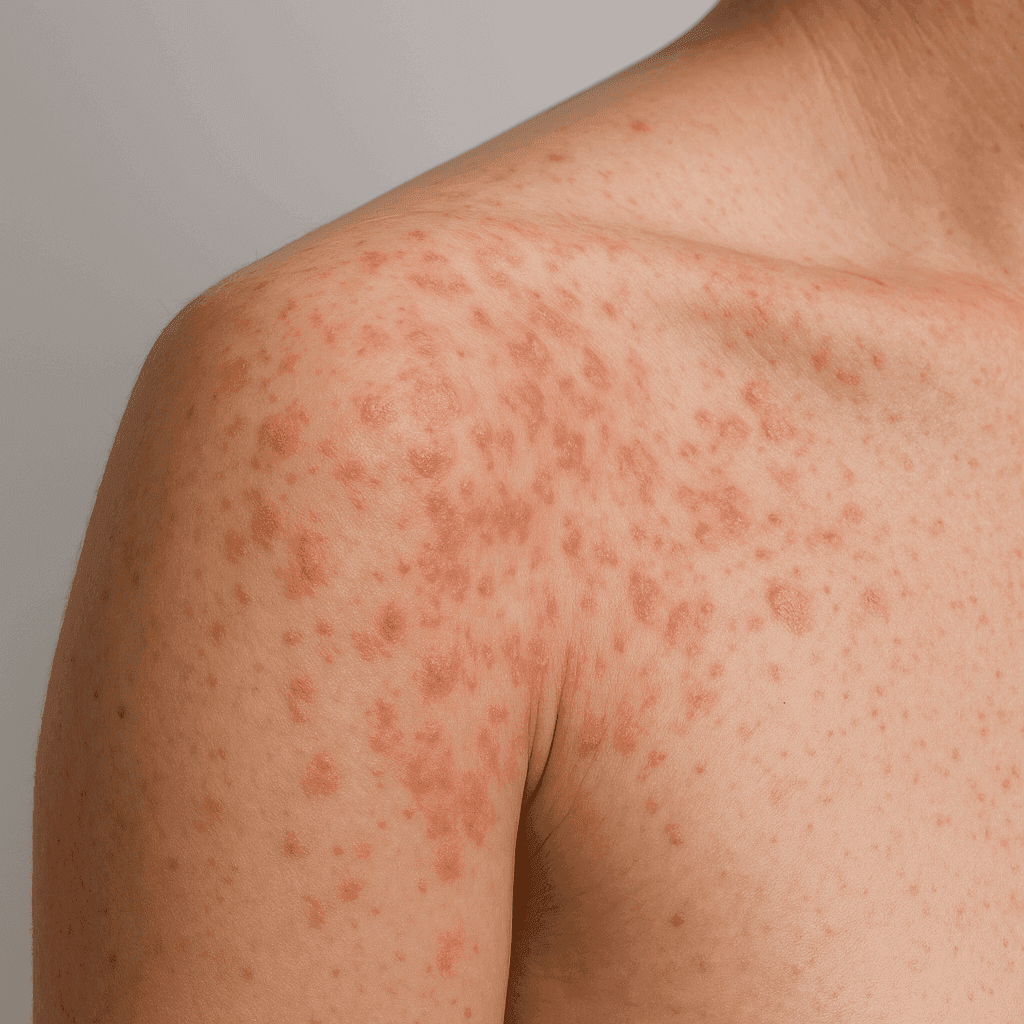
Contact Dermatitis: Common Allergens and Treatment
Learn about causes and treatments of contact dermatitis.
Introduction
Contact dermatitis is a type of skin inflammation that occurs when the skin comes into contact with certain substances. Understanding the triggers and available treatments is crucial for managing symptoms effectively. This article explores the causes, symptoms, diagnosis, and treatment options for contact dermatitis.
Causes of Contact Dermatitis
Allergic Contact Dermatitis
Allergic contact dermatitis is an immune system reaction that occurs after the skin is exposed to an allergen. Common allergens include nickel, fragrances, and preservatives found in personal care products. The mechanism involves the immune system recognizing the allergen as harmful, leading to inflammation.
Irritant Contact Dermatitis
Irritant contact dermatitis is more common than allergic contact dermatitis and results from exposure to substances that physically damage the skin's outer layer. These irritants include soaps, detergents, and solvents. Unlike allergic reactions, irritant dermatitis does not involve the immune response but rather a direct injury to the skin.
Symptoms of Contact Dermatitis
Identifying Symptoms
Symptoms of contact dermatitis include red rash, itching, dry or cracked skin, and blisters. These can appear within hours or days of exposure to the allergen or irritant.
Duration and Severity
The symptoms can last from a few days to several weeks, depending on the severity of the reaction and whether the irritant or allergen is still present.
Complications if Untreated
If left untreated, contact dermatitis can lead to skin infections and chronic skin changes. It is vital to identify and avoid the triggering substances to prevent these complications.
Diagnosis of Contact Dermatitis
Medical History and Physical Examination
A thorough medical history and physical examination by a healthcare provider are essential in diagnosing contact dermatitis. The patient should provide details about recent exposures to potential allergens or irritants.
Patch Testing
Patch testing is a specialized procedure used to identify specific allergens causing allergic contact dermatitis. Small amounts of possible allergens are applied to the skin, and reactions are monitored over a few days.
Differential Diagnosis
Differential diagnosis is crucial as other skin conditions, like eczema or psoriasis, may present with similar symptoms. A dermatologist can differentiate these conditions through examination and testing.
Treatment Options for Contact Dermatitis
Topical Treatments
Topical corticosteroids are commonly prescribed to reduce inflammation and alleviate itching. Emollients and moisturizers help restore the skin barrier and keep the skin hydrated.
Systemic Treatments
In severe cases, oral medications such as corticosteroids or antihistamines may be necessary to control inflammation and itching.
Natural and Home Remedies
Some patients find relief using natural remedies such as oatmeal baths or aloe vera. However, it is important to consult with a healthcare provider before trying new treatments.
Lifestyle and Preventative Measures
Avoiding known triggers and maintaining a proper skin care routine are essential steps in managing contact dermatitis. Wearing protective clothing and using hypoallergenic products can also help prevent flare-ups.
Managing Contact Dermatitis in Specific Populations
Children
In children, contact dermatitis is often caused by common allergens such as nickel or certain fabrics. Special care must be taken to identify and eliminate these triggers.
Occupational Exposure
Those with occupational exposure to irritants should use protective gear and follow safety protocols to reduce the risk of contact dermatitis. Regular skin checks are advised.
Elderly Patients
Elderly patients may have more sensitive skin and a slower healing process, requiring gentle skin care routines and prompt treatment of any flare-ups.
Prevention of Contact Dermatitis
Avoidance of Known Allergens and Irritants
Identifying and avoiding contact with known allergens and irritants is critical in preventing dermatitis flare-ups.
Protective Clothing and Barriers
Wearing protective clothing or gloves can provide a barrier against irritants, especially in occupational settings.
Skin Care Routine Adjustments
Adjusting skin care routines to include hypoallergenic products and regular moisturization can help maintain skin health and prevent dermatitis.
FAQs About Contact Dermatitis
What are the most common allergens causing contact dermatitis? Nickel, fragrances, and preservatives are among the most common allergens.
How can I tell if I have contact dermatitis or eczema? A healthcare provider can differentiate these conditions through examination and testing.
Can contact dermatitis be cured permanently? While it can be managed, contact dermatitis may recur upon re-exposure to the allergen or irritant.
Is patch testing necessary for diagnosing contact dermatitis? Patch testing can help identify specific allergens but may not be necessary for every case.
What are the best over-the-counter treatments for contact dermatitis? Over-the-counter hydrocortisone creams and moisturizers are commonly used to manage mild symptoms.
How can I manage contact dermatitis at work? Using protective gear and following safety protocols can help reduce the risk of dermatitis at work.