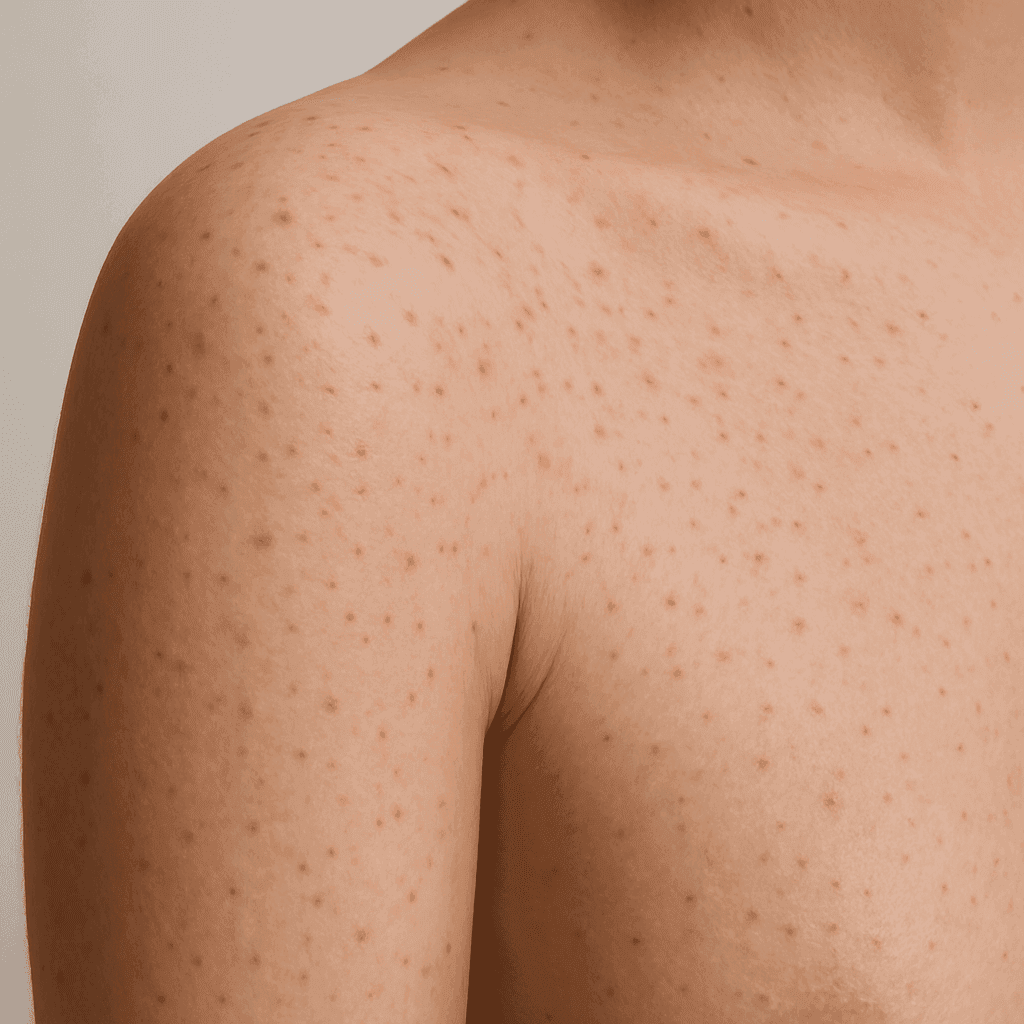
Gluten-Free Diet and Skin: Does It Eliminate Problems?
Explore the link between gluten and skin health.
Introduction
In recent years, gluten-free diets have gained popularity, not just among those with celiac disease but also among individuals seeking to enhance their overall health and well-being. Gluten, a protein found in wheat, barley, and rye, has been linked to various health issues, particularly for those with gluten-related disorders. One area of growing interest is the potential impact of gluten-free diets on skin health. This article delves into the connection between gluten and skin, exploring whether eliminating gluten can lead to clearer, healthier skin.
Diet plays a crucial role in skin health, influencing factors like inflammation, hydration, and elasticity. While some people report significant improvements in skin conditions after adopting a gluten-free diet, others remain skeptical. Understanding the relationship between gluten and skin health can help individuals make informed decisions about their dietary choices.
Understanding Gluten and Skin Health
Gluten is a protein that provides elasticity to dough, helping it rise and keep its shape. Found in grains like wheat, barley, and rye, gluten is a common ingredient in breads, pastas, and many processed foods. For those with celiac disease, consuming gluten triggers an immune response that damages the small intestine, leading to various symptoms, including skin issues.
The connection between gluten and skin conditions lies in the body's immune response. In individuals sensitive to gluten, consuming it can lead to inflammation, which may manifest as skin problems. This inflammation can exacerbate existing skin conditions or contribute to new ones, highlighting the potential benefits of a gluten-free diet for some individuals.
Gluten and Skin Conditions
The impact of gluten on skin health is primarily observed in people with celiac disease or gluten sensitivity. These individuals may experience a range of skin symptoms, from rashes to more severe conditions like dermatitis herpetiformis, an intensely itchy skin rash directly linked to gluten consumption. Understanding these connections is crucial for those considering dietary changes to improve skin health.
Common Skin Conditions Related to Gluten
Celiac Disease and Skin Symptoms
Celiac disease is an autoimmune disorder where ingesting gluten leads to damage in the small intestine. One of the less commonly known symptoms of celiac disease is skin-related issues. Dermatitis herpetiformis, for instance, is a direct manifestation of celiac disease on the skin. This condition causes blistering skin rashes, which are intensely itchy and typically appear on the elbows, knees, and buttocks. The only effective treatment for dermatitis herpetiformis is a strict gluten-free diet.
Gluten Sensitivity and Its Impact on Skin
Even in the absence of celiac disease, some people experience non-celiac gluten sensitivity, which can also lead to skin problems. These individuals may suffer from symptoms like eczema, psoriasis, or acne, which can improve when gluten is removed from the diet. Research suggests that gluten can trigger inflammatory responses in the body, potentially leading to flare-ups in these conditions.
Gluten-Free Diet: Potential Benefits for Skin
Embracing a gluten-free diet has shown potential benefits for individuals with skin conditions related to gluten sensitivity. For some, removing gluten from their diet has led to noticeable improvements in skin clarity and health. This dietary change can reduce inflammation, a key factor in many skin issues, resulting in calmer, less irritated skin.
Case Studies and Research Findings
Several studies have explored the impact of a gluten-free diet on skin health. For instance, research has documented improvements in individuals with dermatitis herpetiformis after adopting a gluten-free diet. Similarly, anecdotal evidence from patient testimonials often highlights significant skin improvements after eliminating gluten.
However, it's essential to approach these findings with caution. Not everyone will experience the same results, and professional guidance is crucial before making significant dietary changes. Consulting a healthcare provider can help ensure that any dietary adjustments are safe and beneficial for your specific health needs.
Specific Skin Conditions and Gluten-Free Diet
Eczema and Gluten-Free Diet
Eczema, a condition characterized by itchy, inflamed skin, can sometimes be linked to dietary triggers. While not all eczema cases are related to gluten, some individuals report improvements in their symptoms after removing gluten from their diet. Scientific studies are ongoing, but preliminary findings suggest a potential connection between gluten consumption and eczema flare-ups.
Psoriasis and Gluten-Free Diet
Psoriasis is an autoimmune condition that causes rapid skin cell growth, leading to scaly patches. Some psoriasis sufferers have observed improvements in their symptoms after adopting a gluten-free diet. Scientific insights suggest that gluten may exacerbate psoriasis by triggering an immune response, thus making a gluten-free diet a potential therapeutic option for some.
Acne and Gluten-Free Diet
The relationship between acne and gluten is less clear-cut than other skin conditions. However, some individuals have noticed a reduction in acne outbreaks after eliminating gluten from their diet. While scientific evidence is limited, the anti-inflammatory benefits of a gluten-free diet may contribute to these improvements. Diet adjustments, especially those reducing processed foods, can also play a role in managing acne.
Potential Drawbacks of a Gluten-Free Diet
While a gluten-free diet can offer benefits for some, it also comes with potential drawbacks. One major consideration is the nutritional content of gluten-free products, which can be lower in essential nutrients like fiber, vitamins, and minerals. Individuals adopting a gluten-free diet should ensure they are getting a balanced intake of nutrients to avoid deficiencies.
Risks of Self-Diagnosing Gluten Sensitivity
Self-diagnosing gluten sensitivity can lead to unnecessary dietary restrictions and nutritional imbalances. It's crucial to consult with a healthcare professional to determine whether a gluten-free diet is appropriate for your particular health concerns. A medical evaluation can help identify true gluten-related disorders and provide guidance on maintaining a healthy, balanced diet.
Professional guidance ensures that dietary changes are made safely and effectively, minimizing the risk of unintended health consequences. This approach underscores the importance of not relying solely on self-assessment or anecdotal evidence when considering dietary interventions.
Conclusion
The decision to adopt a gluten-free diet for skin health should be made with careful consideration and professional guidance. While some individuals experience significant improvements in skin conditions after removing gluten from their diet, others may not see the same results. The benefits of a gluten-free diet are most apparent in individuals with diagnosed gluten-related disorders, such as celiac disease or gluten sensitivity.
Ultimately, a gluten-free diet may offer a viable option for improving certain skin conditions, particularly those linked to inflammation and immune responses. However, it's essential to approach this dietary change with a well-informed perspective, ensuring that nutritional needs are met and health is prioritized.
FAQs
Can a gluten-free diet improve skin conditions?
A gluten-free diet may help improve skin conditions, especially in individuals with gluten-related disorders. However, results can vary based on individual health profiles.
How long does it take to see skin improvements on a gluten-free diet?
Skin improvements on a gluten-free diet can take several weeks to months, depending on the individual's condition and adherence to the diet.
Are there any risks associated with a gluten-free diet for skin health?
Potential risks include nutritional deficiencies if the diet is not well-balanced. It's important to consult a healthcare provider before making significant dietary changes.
Is gluten the only dietary factor affecting skin health?
No, other dietary factors such as sugar, dairy, and processed foods can also impact skin health. A holistic approach to diet is recommended for optimal skin health.
How can I determine if gluten is affecting my skin?
Consult with a healthcare provider for proper testing and evaluation to determine if gluten is affecting your skin.
What should I do if I suspect gluten is causing my skin issues?
Seek professional guidance to assess your symptoms and consider an elimination diet under medical supervision.