Lentigines and Freckles: Are They Dangerous?
Understanding lentigines and freckles risks.
Introduction
Lentigines and freckles are common skin marks that many people have at some point in their lives. While they might seem similar at first glance, they are quite distinct from each other. Understanding these differences is crucial, especially when considering the potential risks associated with each. This article will explore what lentigines and freckles are, how they differ, and the implications for skin health.
What Are Lentigines?
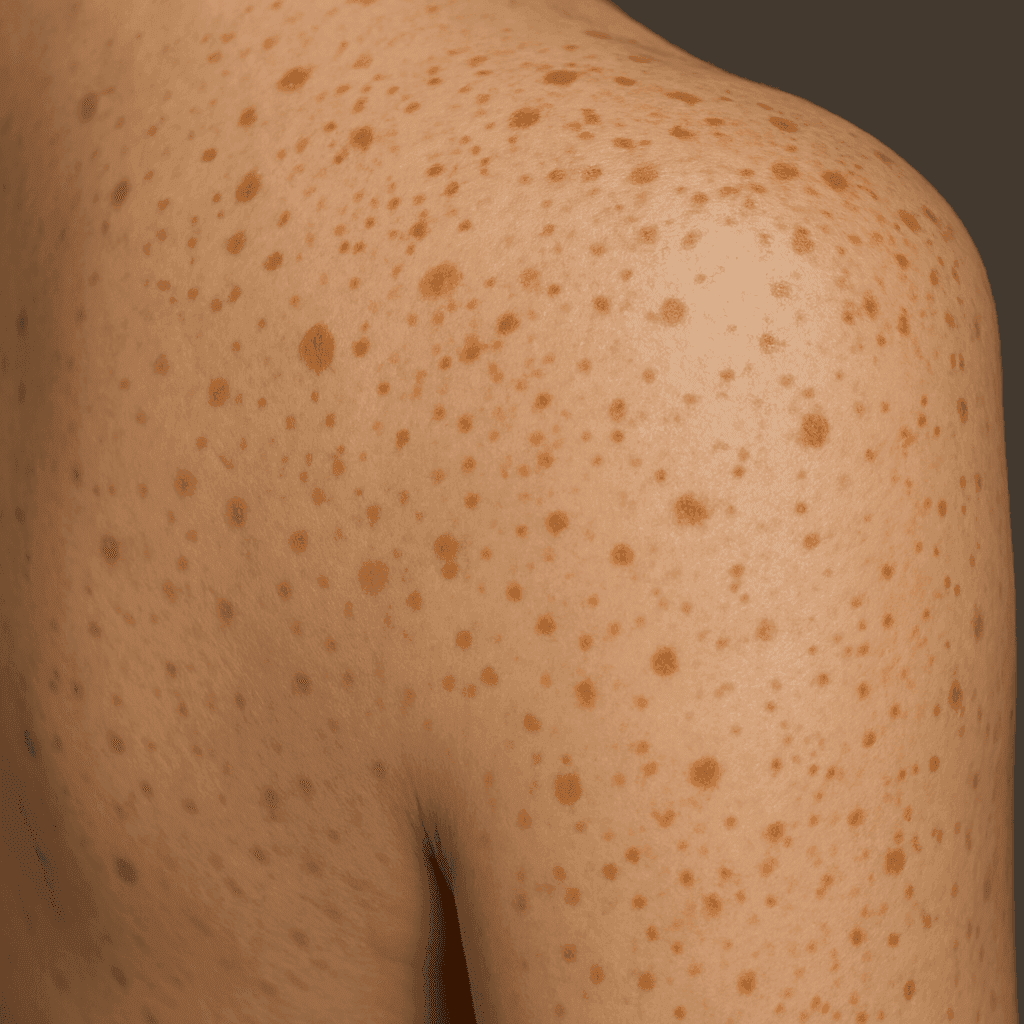
Lentigines, often referred to as age spots or liver spots, are flat, brown, or black spots that typically appear on sun-exposed areas of the skin. They are more common in older adults and are usually a result of prolonged sun exposure over the years. Lentigines are generally harmless, but their appearance can sometimes be mistaken for more serious skin conditions.
Common Causes of Lentigines
The primary cause of lentigines is UV radiation from the sun, which triggers the overproduction of melanin in certain areas of the skin. Other contributing factors can include tanning beds and certain medications that increase sun sensitivity. It's important to note that while lentigines themselves are not dangerous, significant sun exposure can increase the risk of skin cancer.
What Are Freckles?
Freckles are small, flat, tan, or light brown spots on the skin that often become more pronounced with sun exposure. Unlike lentigines, freckles are generally a genetic trait, influenced by the MC1R gene. They are more common in people with lighter skin tones and tend to appear during childhood.
Genetic Factors
Freckles are often hereditary, meaning they are passed down from parents to their children. People with red hair and fair skin are more likely to have freckles. Although freckles themselves are not harmful, they do indicate a higher sensitivity to sunlight, which can necessitate additional sun protection.
Differences Between Lentigines and Freckles
While both lentigines and freckles result in pigmented spots on the skin, they differ in several key ways. Lentigines are usually larger, darker, and do not fade significantly in the winter. They often appear in older adults due to accumulated sun exposure. In contrast, freckles tend to be smaller, lighter, and may fade during the winter months, becoming more pronounced with sun exposure.
Age and Development
Freckles typically develop in childhood and adolescence, whereas lentigines are more common in adults over the age of 40. Understanding these distinctions can help in identifying the spots and determining whether further medical evaluation is necessary.
Are Lentigines and Freckles Dangerous?
While lentigines and freckles are generally harmless, any changes in their appearance should be monitored. Lentigines have a low risk of becoming cancerous, but extensive sun exposure can increase the risk of skin cancer. Freckles themselves do not pose a health risk, but they can indicate a need for enhanced sun protection to prevent potential skin damage.
When to Consult a Dermatologist
Seek medical advice if you notice any changes in the size, shape, or color of lentigines or freckles. Such changes could be indicative of a more serious condition, such as melanoma. Regular skin checks by a dermatologist are recommended, especially for individuals with numerous or atypical moles.
Diagnosis and Identification
Identifying lentigines and freckles can usually be done by visual examination. Lentigines tend to be larger and darker, while freckles are smaller and lighter. If there is any doubt, a dermatologist can perform a skin examination and may use dermoscopy or a biopsy for a more detailed analysis.
Diagnostic Procedures
While lentigines and freckles are often diagnosed visually, any suspicious lesion should be evaluated by a healthcare professional. This might include a biopsy to rule out skin cancer or other conditions.
Treatment Options for Lentigines and Freckles
Various treatment options exist for those who wish to reduce the appearance of lentigines and freckles. These can range from topical creams to more advanced procedures like laser therapy.
Medical Treatments for Lentigines
Common treatments include topical retinoids, chemical peels, and cryotherapy. Laser treatments can also effectively reduce or remove lentigines. However, these treatments should be discussed with a dermatologist to understand the benefits and risks.
Natural Remedies for Freckles
While natural remedies like lemon juice or aloe vera are popular, their effectiveness varies. It's important to approach these remedies with caution and to prioritize sun protection to prevent further pigmentation.
Prevention and Skin Care
Preventing lentigines and freckles largely centers on sun protection. This includes wearing broad-spectrum sunscreen, seeking shade during peak hours, and wearing protective clothing.
Sun Protection Strategies
- Use a broad-spectrum sunscreen with at least SPF 30.
- Reapply sunscreen every two hours, or more often if swimming or sweating.
- Wear hats and sunglasses to protect your face and eyes from UV rays.
Lifestyle Changes
In addition to sun protection, maintaining a healthy diet rich in antioxidants can support skin health. Regular skin checks, either in person or online, can aid in early detection of any changes.
Conclusion
Lentigines and freckles are common skin conditions that, while usually benign, can indicate sensitivity to the sun and potential risks. Understanding their differences and the importance of sun protection can help maintain skin health. Regular skin checks are essential for monitoring these spots and catching any early signs of skin changes.
Frequently Asked Questions (FAQ)
Are lentigines a sign of skin cancer?
Lentigines are not usually a sign of cancer, but changes in their appearance should be checked by a dermatologist.
Can freckles turn into melanoma?
Freckles do not become melanoma, but they indicate sun sensitivity, which increases skin cancer risk.
What is the best treatment for removing lentigines?
Laser treatments are effective, but options should be discussed with a dermatologist.
How can I prevent freckles from getting darker?
Use sunscreen regularly and wear protective clothing to minimize sun exposure.
Are there any home remedies for lightening lentigines?
Natural remedies exist, but their effectiveness is variable. Consult a dermatologist for safe options.
Is it necessary to see a dermatologist for freckles?
While not necessary for all freckles, unusual changes should be evaluated by a dermatologist.