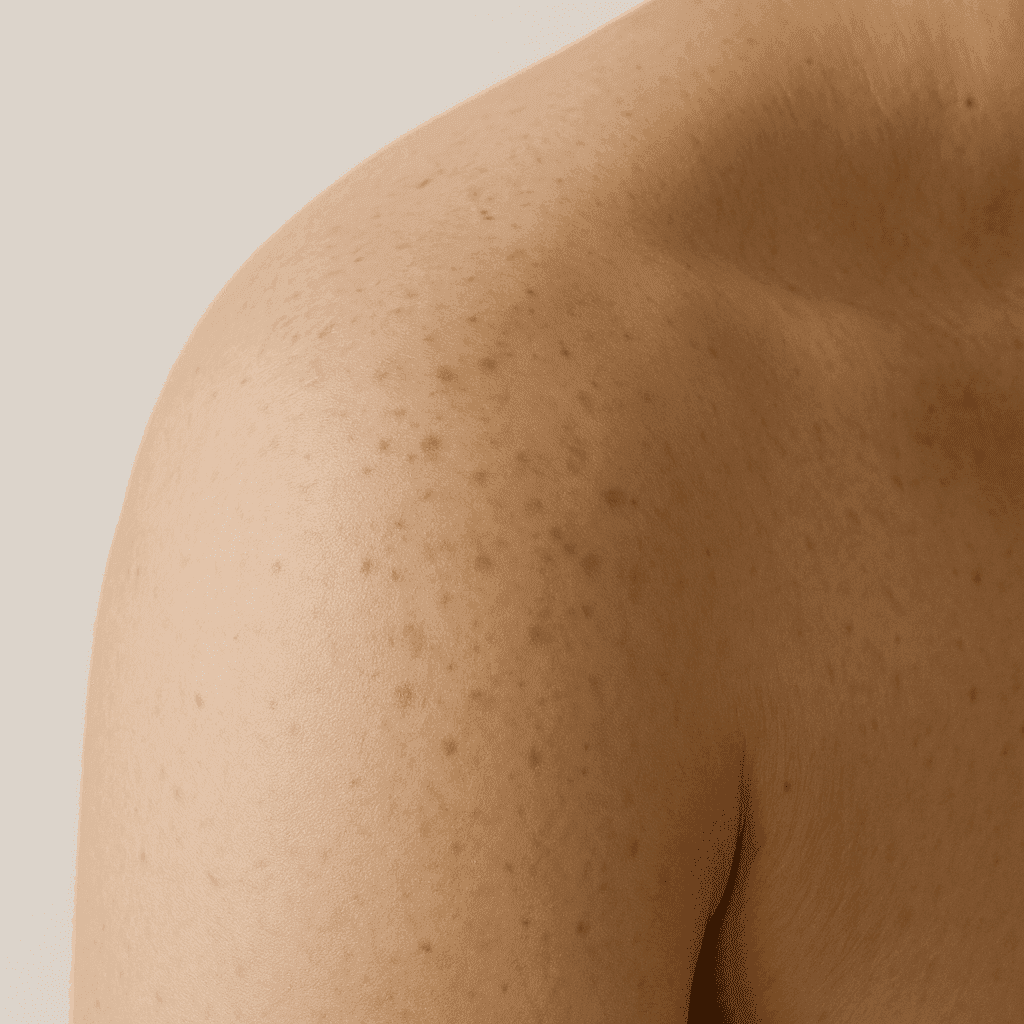
Prebiotics and Probiotics in Skincare: Trend or Real Benefit?
Exploring prebiotics and probiotics in skincare.
Introduction
The skincare industry is ever-evolving, with consumers continuously seeking products that promise healthier and more radiant skin. In recent years, prebiotics and probiotics have emerged as key players in the skincare arena, touted for their potential benefits in promoting skin health. But what exactly are these ingredients, and do they live up to the hype? This article delves into the role of prebiotics and probiotics in skincare, examining whether they are merely a trend or provide real benefits.
What Are Prebiotics and Probiotics?
Prebiotics and probiotics are often discussed in the context of digestive health, but their application in skincare is gaining attention. Prebiotics are non-digestible fibers that serve as food for beneficial bacteria, promoting their growth and activity. Probiotics, on the other hand, are live microorganisms that, when applied topically, may confer health benefits to the skin. In skincare, prebiotics and probiotics are believed to enhance the skin's microbiome, the community of microorganisms living on the skin, to support its natural defenses.
How They Work in Skincare
Both prebiotics and probiotics work by supporting the skin's ecosystem. Prebiotics help maintain a healthy balance of bacteria on the skin, which can prevent harmful bacteria from thriving. Probiotics, when applied to the skin, may help strengthen the skin's barrier, reduce inflammation, and enhance hydration. Together, they aim to promote a healthy and resilient skin environment.
The Science Behind Prebiotics in Skincare
Research into prebiotics in skincare is still in its early stages, but initial studies suggest several beneficial mechanisms. Prebiotics can help reinforce the skin's natural barrier, keeping it protected from environmental stressors. By nourishing beneficial bacteria, prebiotics may also help reduce acne and improve overall skin texture.
Benefits for Skin Health
Prebiotics are believed to enhance the skin's natural defense mechanisms, making it less susceptible to irritation and infection. They are particularly beneficial for individuals with sensitive or compromised skin barriers. Studies have shown that prebiotics can improve hydration and reduce signs of aging by supporting the skin's structural integrity.
The Role of Probiotics in Skincare
Probiotics have a well-documented history in gut health, but their role in skincare is becoming increasingly apparent. The skin microbiome, much like the gut microbiome, plays a crucial role in maintaining skin health. Probiotics help balance the skin's microbial environment, potentially alleviating various skin conditions such as eczema, acne, and rosacea.
Clinical Evidence Supporting Use
Clinical studies have demonstrated the effectiveness of probiotics in reducing inflammation and promoting skin healing. Probiotics can help restore the skin's natural pH balance, soothe redness, and enhance the skin's resilience against external aggressors. For those with chronic skin conditions, probiotic skincare may offer a complementary approach to traditional treatments.
Comparing Prebiotics and Probiotics in Skincare
While both prebiotics and probiotics offer benefits for skin health, they work in different ways. Prebiotics provide the necessary nutrients for beneficial bacteria, while probiotics introduce live bacteria to the skin. When used together, they can have synergistic effects, enhancing each other's benefits.
Choosing the Right Products for Your Skin Type
Selecting the right skincare products depends on your skin type and concerns. For oily or acne-prone skin, look for products that include both prebiotics and probiotics to help balance oil production and reduce breakouts. For dry or sensitive skin, focus on hydrating probiotics that strengthen the skin barrier and soothe irritation.
Potential Benefits of Prebiotics and Probiotics
The integration of prebiotics and probiotics into skincare can offer a range of benefits, including:
- Acne Prevention and Treatment: By balancing the skin's microbiome, these ingredients may reduce acne-causing bacteria.
- Anti-Aging Effects: They can support skin elasticity and reduce the appearance of wrinkles.
- Enhancing Skin Barrier Function: A strong barrier is crucial for protecting against environmental damage.
Reducing Inflammation and Redness
Probiotics are particularly effective in calming irritated skin and reducing redness associated with conditions like rosacea and eczema. By promoting a balanced microbiome, they help mitigate inflammatory responses, leading to a clearer complexion.
How to Incorporate Prebiotics and Probiotics into Your Skincare Routine
Introducing prebiotics and probiotics into your skincare routine can be straightforward. Start by selecting products that specify these ingredients on their labels. Cleansers, serums, and moisturizers are common formulations that include prebiotics and probiotics.
Tips for Selecting Products
- Read Labels Carefully: Look for key ingredients such as lactobacillus and bifidobacterium.
- Patch Test New Products: To avoid adverse reactions, always test a small amount on your skin first.
- Consult a Dermatologist: If you have specific skin concerns, seek professional advice to tailor the best regimen for your needs.
Are Prebiotics and Probiotics Safe for Everyone?
While prebiotics and probiotics are generally considered safe for most individuals, it's important to consider potential sensitivities. Some people may experience mild irritation when first using probiotic products, but this typically subsides as the skin adjusts.
Safety Considerations
- Potential Side Effects: These can include minor redness or tingling when using a new product.
- Consultation: If you have a history of severe skin allergies, consult a dermatologist before incorporating new ingredients into your routine.
Conclusion
Incorporating prebiotics and probiotics into skincare provides promising benefits for improving skin health, although more research is needed to fully understand their potential. As the skincare industry progresses, these ingredients may become a staple in promoting a balanced and healthy complexion.
FAQ
What are the best probiotic ingredients for skincare?
Look for ingredients like lactobacillus, bifidobacterium, and saccharomyces ferment, which are known for their skin-friendly properties.
Can prebiotics and probiotics help with sensitive skin?
Yes, they may help soothe and strengthen sensitive skin by promoting a healthy microbiome and reducing irritation.
How long does it take to see results from probiotic skincare?
Results can vary, but many people notice improvements in skin texture and hydration within a few weeks.
Are there any side effects of using prebiotic skincare products?
Most people tolerate them well, but some may experience minor irritation initially. It's always best to patch test new products.
Can prebiotics and probiotics replace traditional skincare products?
While beneficial, they should complement rather than replace your existing skincare routine, particularly for specific concerns like aging or acne.
How do I know if a skincare product contains effective probiotics?
Check the label for specific strains and ensure the product is formulated to preserve their viability, such as packaging that protects from light and air.