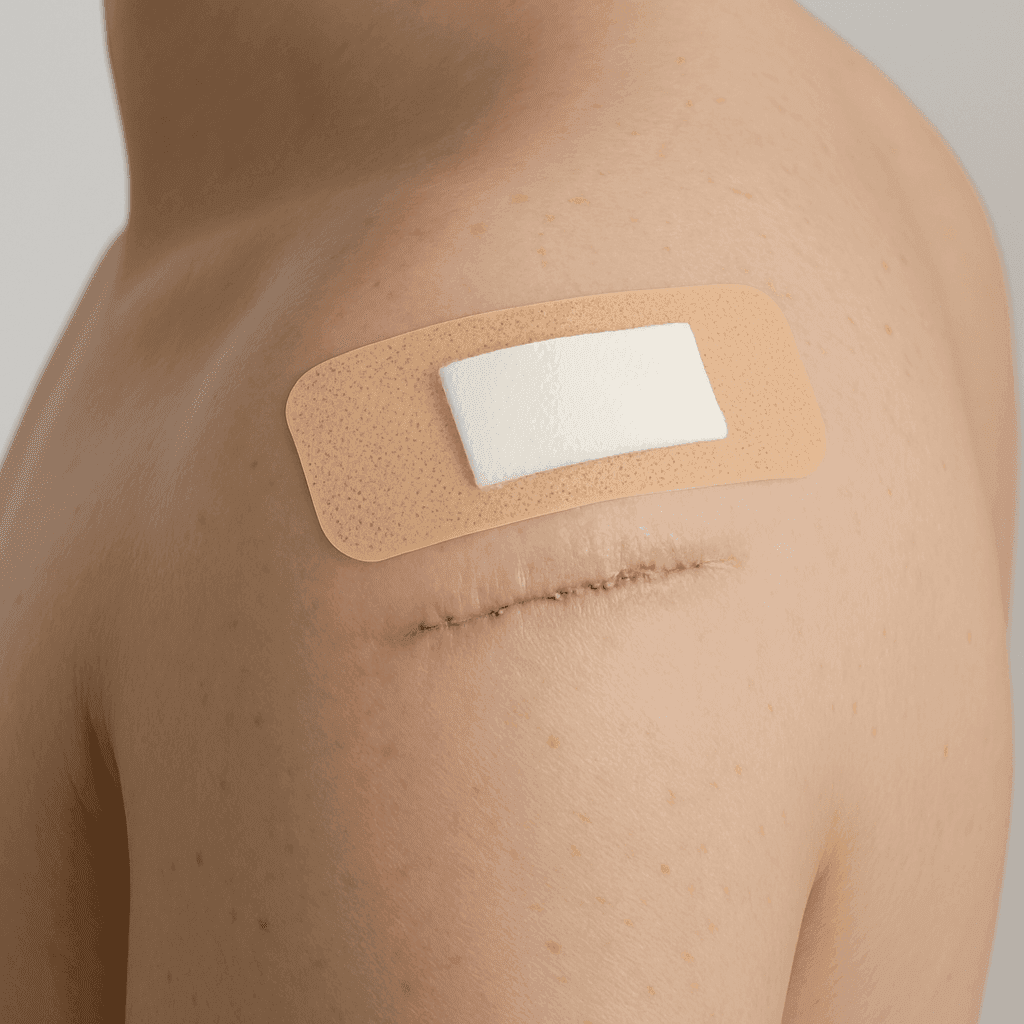
Protecting Skin from Scars After Surgery and Procedures
Guide to minimize scarring post-surgery.
Introduction
Scars are a natural part of the body's healing process following surgery or a medical procedure. While some degree of scarring is inevitable, understanding how to care for your skin post-operation can significantly minimize their appearance. This article explores effective methods for preventing and reducing scars, emphasizing the importance of a proactive approach to post-surgical skincare.
Understanding Scars
What Causes Scars After Surgery?
Scarring occurs when the skin heals after an incision or injury. It is caused by the overproduction of collagen at the wound site. Factors such as the type of surgery, skin type, and the body's healing process influence scar formation.
Types of Surgical Scars
Different surgeries result in different types of scars, including hypertrophic scars, keloids, and contracture scars. Understanding the type of scar you have can help in choosing the appropriate treatment.
Pre-Surgery Preparation
Importance of Preparing Your Skin
Preparing your skin before surgery can help reduce the severity of scars. This includes maintaining a healthy diet, staying hydrated, and using moisturizers to keep the skin supple.
Discussing Scar Concerns with Your Surgeon
It is crucial to discuss potential scarring with your surgeon. They can provide personalized advice on minimizing scars and might suggest specific surgical techniques that reduce scarring.
Post-Operative Scar Care
Immediate Steps to Take After Surgery
Post-surgery, it's important to keep the wound clean and dry to prevent infection, which can worsen scarring. Follow your surgeon's instructions meticulously during this critical healing phase.
Daily Skincare Routine to Prevent Scars
A consistent skincare routine plays a vital role in scar prevention. This includes cleansing, moisturizing, and applying scar-reducing treatments as recommended by your healthcare provider.
Scar Prevention Techniques
Topical Treatments and Creams
Using topical treatments containing ingredients like silicone, onion extract, or allantoin can aid in scar reduction. These ingredients help in smoothing the skin and improving its texture.
Silicone Gel Sheets and Their Benefits
Silicone gel sheets are a popular choice for scar management. They hydrate the scar tissue and reduce collagen production, which helps flatten and fade scars over time.
Massage Techniques for Scar Reduction
Gentle massage of the scar area can help break down dense scar tissue and improve circulation, promoting better healing.
Importance of Sun Protection
Exposure to the sun can darken scars and make them more noticeable. Applying sunscreen or covering scars when outdoors is essential for protecting the healing skin.
Natural Remedies and Alternative Treatments
Herbal Remedies for Scar Prevention
Certain herbal remedies, such as aloe vera and calendula, have anti-inflammatory properties that can support skin healing and reduce scarring.
Vitamin E and Other Supplements
Vitamin E, zinc, and other supplements may support skin health and aid in scar prevention by boosting the body's natural healing processes.
Professional Treatments for Scar Reduction
Laser Therapy for Scars
Laser therapy can be an effective option for reducing the appearance of scars. It works by resurfacing the skin and promoting collagen production.
Microneedling and Its Effects on Scar Healing
Microneedling involves using fine needles to create micro-injuries in the skin, stimulating the body's natural healing process and reducing scars.
Chemical Peels for Post-Surgical Scars
Chemical peels can improve the skin’s texture and tone by removing the outer layer, helping to reduce the appearance of scars.
Lifestyle Changes to Support Healing
Nutrition and Hydration for Skin Recovery
A balanced diet rich in vitamins and minerals, along with adequate hydration, supports skin healing and reduces the risk of prominent scars.
Avoiding Smoking and Alcohol
Smoking and alcohol consumption can impair the body's healing process, worsening scar formation. Avoiding these can enhance recovery and improve skin health.
When to Consult a Dermatologist
Signs of Abnormal Scarring
If you notice excessive redness, pain, or an unusual appearance of the scar, it is advisable to consult a dermatologist for evaluation.
Available Medical Interventions
Dermatologists can offer a range of treatments such as corticosteroid injections, laser treatments, or surgical revisions to improve the appearance of scars.
FAQs
- How long does it take for a surgical scar to heal completely? Healing times vary, but most surgical scars improve significantly within 12 months.
- Are there any foods that help reduce scarring? Foods rich in vitamins A, C, and E, as well as zinc, support skin healing.
- Can all scars be completely removed? While complete removal is unlikely, many treatments can significantly reduce their appearance.
- What is the best time to start scar treatment after surgery? Consult your doctor, but often treatment can begin once the wound has closed and healed sufficiently.
- How does age affect scar formation and healing? Older adults may experience slower healing, potentially leading to more noticeable scars.
- Is it normal for scars to itch during healing? Yes, itching is a common part of the healing process, but consult a doctor if it persists.